Introduction to Nawarkhel and Nawarkhan Baba (Swabi)
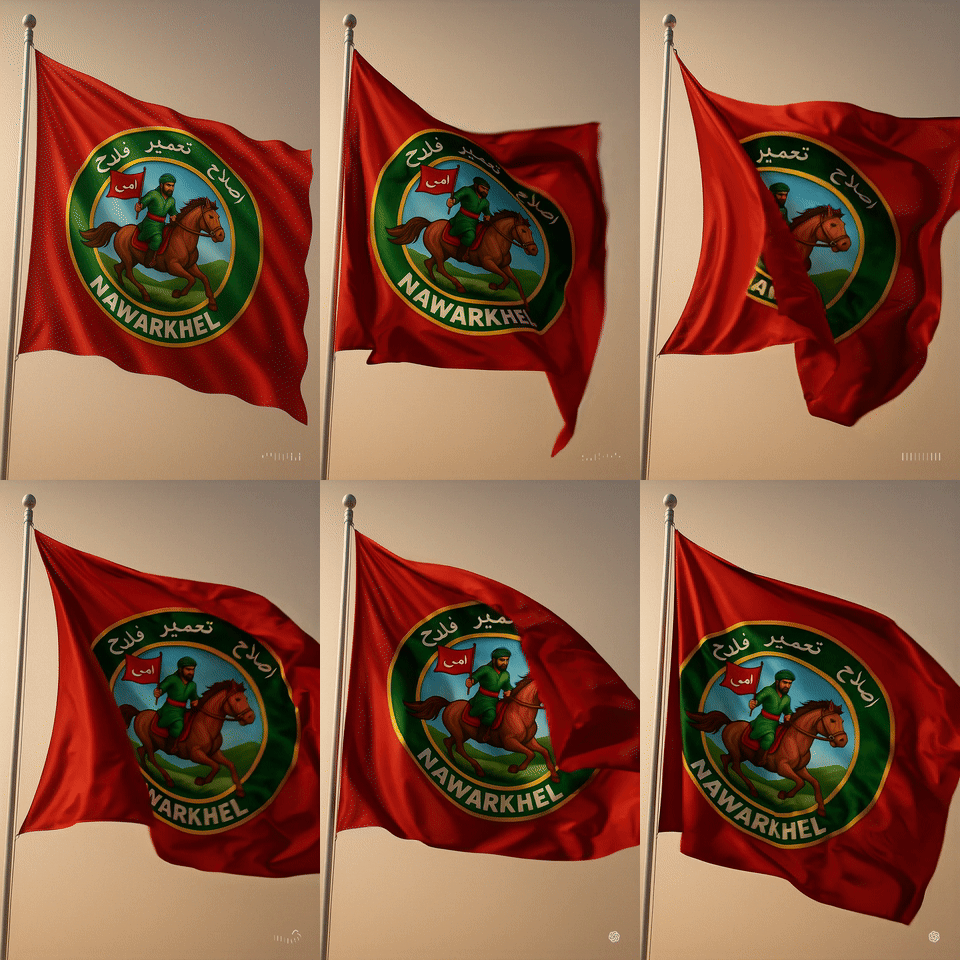
The name "Nawarkhel" (نوار خېل) is derived from Pashto — "Nawar" means new or fresh, and "Khel" means clan or tribe. So, "Nawarkhel" literally means "the clan of the new ones" or "descendants of the new family."
In Khyber Pakhtunkhwa (KP) and the tribal belt, "Khel" names are traditionally used to identify sub-tribes or family lineages within larger Pashtun tribes. Villages named Nawarkhel are typically small, rural, and agriculturally based, with strong social ties, traditional jirga systems, and local governance through village elders or municipal administrations (TMAs).
Nawarkhel is particularly notable in Swabi District, KP. According to local accounts, the name is believed to be derived from a respected elder known as Nawarkhan Baba (نوارخان بابا), considered the progenitor or spiritual founder of the Nawarkhel clan. Oral traditions suggest that Nawarkhan Baba and his descendants played an important role in establishing local communities within the Yousafzai tribal areas of Swabi.
Connection to Swabi & the Nawarkhel Clan
The Nawarkhel (نوار خېل) is a khel (clan/sub-tribe) among Pashtuns; "khel" means a sub-tribe or family lineage. In Ismaila, Sardcheena, Bazargi, Dobian, Dulat and Mehr Ali village in Swabi district, it is mentioned: "The main tribe living here are the Yousafzai Nawarkhel … They are the owners of the land of this village." This suggests the Nawarkhel clan, and thereby Nawarkhan Baba as their progenitor or saint-figure, has deep roots in Swabi's tribal and land‑owner structure.
Significance of Nawarkhan Baba
Nawarkhan Baba likely holds spiritual or communal importance. In Pashtun tribal areas, figures referred to as "Baba" often represent respected elders, saints, or village founders. His legacy may help explain place names, land rights, and the social identity of Nawarkhel families in Swabi. Though reliable published data about Nawarkhan Baba is scarce online, local oral sources indicate that his memory is preserved through traditions, family stories, and possibly a local shrine or ancestral site.
Research Findings
Online searches did not reveal formal biographies or official records of Nawarkhan Baba, indicating that his story exists mainly in oral tradition. Like many Pashtun founders and saints, his legacy continues through the clan structure, respected elders, and regional identity tied to the name "Nawarkhel." Local archives, Urdu/Pashto manuscripts, and interviews with village elders would be the best primary sources to further document his life and contributions.
Summary
In summary, Nawarkhel derives its name from Nawarkhan Baba, a figure deeply respected in the Swabi region of Khyber Pakhtunkhwa. The Nawarkhel clan, part of the Yousafzai lineage, continues to uphold his legacy through their cultural, social, and tribal traditions. Although much of the information about Nawarkhan Baba remains within oral history, his influence is evident in the continuing prominence of the Nawarkhel name in Swabi and surrounding areas.
Key Points
- Name Origin: Nawar (new/fresh) + Khel (clan) = "The clan of the new ones"
- Location: Swabi District, Khyber Pakhtunkhwa, Pakistan
- Tribal Lineage: Yousafzai Pashtun tribe
- Founder: Nawarkhan Baba (نوارخان بابا)
- Village: Ismaila, Sardcheena, Bazargi, Dobian, Daulat, Mehr Ali and surrounding areas in Swabi
- Heritage: Preserved through oral traditions and clan structures